

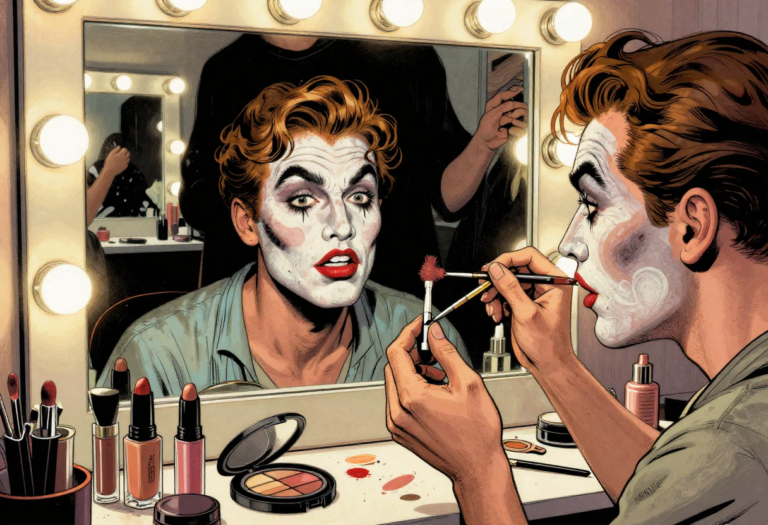
Poets and Pancakes by Asokamitran is a witty memoir piece that describes his experiences at Gemini Studios in Chennai, one of India’s most influential film production houses in the 1940s. The chapter humorously portrays the make‑up department nicknamed Pancake, the eccentricities of actors, poets, and technicians, and the odd blend of glamour and struggle behind the scenes. Asokamitran himself worked on cutting newspaper clippings, which seemed trivial but gave him wide exposure to ideas and world events. Through anecdotes, he highlights the clash between art and commerce, the misplaced role of poets in the film industry, and the irony of intellectual pursuits in a studio driven by entertainment. The narrative, filled with satire and keen observation, captures both the absurdities and charm of life at Gemini Studios, offering a glimpse into the cultural world of mid‑20th century India.
In Short
- Author & Context: Written by Tamil writer Asokamitran, the chapter is part of his memoir about working at Gemini Studios, one of India’s most influential film production houses in the 1940s.
- Gemini Studios: The piece describes the daily life, routines, and atmosphere of the studio, especially the make-up department nicknamed Pancake.
- Characters: Asokamitran humorously portrays the people he worked with—actors, poets, technicians, and bosses—highlighting their quirks, ambitions, and insecurities.
- Writer’s Role: His own job was cutting newspaper clippings, which seemed insignificant but gave him wide knowledge about the world.
- Themes: The chapter explores the clash between art and commerce, the struggles of creativity in a film studio, and the irony of how poets and intellectuals often found themselves misplaced in the glamorous but chaotic film industry.
- Tone: Witty, satirical, and observational, it captures both the charm and absurdity of life at Gemini Studios.
Notes
Poets and Pancakes is written by Asokamitran (from India’s Tamilnadu), based on memoirs. The chapter describes his experiences at Gemini Studios, Chennai, during 1940s.
- Gemini Studios was one of India’s most influential film production houses then.
- The title refers to Pancake, a popular make‑up brand used in studios.
- Pancake symbolized glamour, artificiality, and the superficial nature of cinema industry.
- The make‑up department was chaotic, crowded, and filled with strange characters.
- Actors and extras lined up daily for heavy layers of Pancake make‑up.
- Pancake made faces look unnatural, erasing individuality and creating artificial appearances.
- Studio atmosphere was noisy, bustling, and full of constant activity everywhere.
- Asokamitran worked in publicity department, cutting newspaper clippings for reference.
- His job seemed trivial but gave him wide knowledge about world events.
- He gained awareness of politics, culture, and international happenings through clippings.
- Gemini Studios had eccentric personalities, each with quirks and ambitions.
- Poets and intellectuals often visited, appearing misplaced in film environment.
- Clash between art and commerce was evident in studio’s functioning.
- Writers struggled to adapt creativity within commercial demands of cinema.
- The boss of Gemini Studios was energetic and ambitious S.S. Vasan.
- Vasan wanted Gemini Studios to be culturally influential and socially responsible.
- Studio produced films with themes reflecting society and moral values.
- Atmosphere reflected glamour, insecurity, and contradictions of film industry.
- Poets were treated with suspicion, often misunderstood by film professionals.
- Political ideologies influenced discussions, especially communism and its relevance.
- Intellectuals debated art, politics, and society within studio premises.
- Studio life was full of contradictions, glamour coexisting with poverty.
- Asokamitran observed everything with humor, detachment, and keen insight.
- His tone was satirical, witty, and sharply observant throughout narrative.
- He highlighted absurdities and ironies of film industry practices.
- Pancake became metaphor for pretence, artificial glamour, and superficiality.
- Actors lost individuality under heavy make‑up layers daily.
- Creativity was often stifled by commercial pressures and demands.
- Poets felt alienated, unable to fit into studio culture.
- Cinema world seemed superficial and hollow to intellectual visitors.
- Asokamitran remained detached, preferring observation over active participation.
- He valued truth, simplicity, and honesty more than glamour.
- His writing exposed hidden realities behind cinema’s glittering façade.
- He revealed human side of film industry through anecdotes.
- Studio was mixture of art, business, and constant contradictions.
- Poets symbolized misplaced creativity within commercialized entertainment industry.
- Pancake symbolized artificial glamour masking reality of studio life.
- Chapter blends humor, satire, and social commentary effectively.
- It reflects India’s cultural transition during 1940s colonial period.
- Highlights irony of intellectual pursuits within film studios.
- Shows gap between literature and cinema, art and commerce.
- Demonstrates struggles of creativity in commercial entertainment environment.
- Reveals eccentricities and insecurities of actors and technicians.
- Captures contradictions between glamour and poverty in film industry.
- Emphasizes importance of truth and observation in writing.
- Provides glimpse into cultural world of mid‑20th century India.
- Offers humorous yet insightful account of Gemini Studios’ functioning.
- Overall, chapter portrays charm and absurdity of studio life.
Questions with Long Answers
- What is the significance of the title Poets and Pancakes?
The title refers to the make‑up brand Pancake used in Gemini Studios, symbolizing the artificial glamour of cinema. The word “Poets” highlights the misplaced intellectuals who worked in or visited the studio. Together, the title captures the irony of combining high art (poetry) with superficiality (make‑up), reflecting the contradictions of the film industry. - Describe the atmosphere of the make‑up department at Gemini Studios.
The make‑up department was chaotic, crowded, and filled with strange characters. Thick layers of Pancake were applied mechanically, making actors look unnatural. The atmosphere reflected the artificiality of cinema, where individuality was erased under heavy make‑up, symbolizing the pretence and superficiality of the industry. - What was Asokamitran’s role at Gemini Studios?
Asokamitran worked in the publicity department, cutting newspaper clippings for reference. Though his job seemed trivial, it gave him wide knowledge about politics, culture, and world events. His detached role allowed him to observe the eccentricities of studio life with humor and insight, shaping his later writing career. - How does Asokamitran portray the eccentric characters of Gemini Studios?
He humorously describes actors, technicians, and poets with their quirks and insecurities. Each character seemed misplaced in the glamorous yet chaotic environment. His satirical tone highlights the absurdities of studio life, showing how ambition, insecurity, and pretence coexisted in the film world. - Why were poets and intellectuals considered misplaced in the film industry?
Poets and intellectuals struggled to adapt their creativity to the commercial demands of cinema. Their literary pursuits clashed with the superficial glamour of films. They often felt alienated, as their intellectual discussions seemed irrelevant in a studio driven by entertainment and profit. - Who was S.S. Vasan and what role did he play in Gemini Studios?
S.S. Vasan was the energetic and ambitious boss of Gemini Studios. He wanted the studio to be culturally influential and socially responsible. Under his leadership, Gemini produced films with social themes, reflecting moral values. Vasan’s vision shaped the studio’s identity as more than just a commercial enterprise. - How did political ideologies influence discussions at Gemini Studios?
Communism was a frequent topic of debate among intellectuals at the studio. Writers and poets often discussed art and politics, reflecting global ideological conflicts of the time. These debates highlighted the tension between creative freedom and political influence in the cultural world of the 1940s. - What contradictions does Asokamitran highlight about studio life?
He shows how glamour coexisted with poverty, creativity with commercialism, and intellectual pursuits with superficiality. The studio was full of contradictions—actors looked glamorous on screen but lived insecure lives, while poets sought meaning in a world driven by profit. These ironies form the essence of the chapter. - How does Asokamitran use humor and satire in the chapter?
His tone is witty and satirical, exposing the absurdities of studio practices. He mocks the mechanical make‑up process, the misplaced poets, and the hollow glamour of cinema. Humor allows him to critique the industry without bitterness, making his observations engaging and insightful. - What does Pancake symbolize in the chapter?
Pancake symbolizes artificial glamour and pretence. It erased individuality, making actors look identical and unnatural. As a metaphor, Pancake represents the superficiality of cinema, where appearances mattered more than truth. It contrasts with poetry, which symbolizes authenticity and creativity. - How did Asokamitran’s job of cutting clippings shape his perspective?
Though trivial, his job exposed him to global politics, culture, and literature. It broadened his knowledge and gave him insights into the world beyond cinema. This perspective helped him remain detached from studio glamour and later shaped his writing style, rooted in observation and truth. - How does the chapter reflect India’s cultural transition in the 1940s?
The chapter captures a period when India was moving from colonial rule to independence. Cinema became a medium for social themes, while intellectuals debated ideologies like communism. The contradictions of Gemini Studios mirrored the larger cultural transition, blending tradition, modernity, art, and commerce. - Why does Asokamitran call poets “misplaced” in Gemini Studios?
Poets were misplaced because their literary creativity did not align with cinema’s commercial demands. They felt alienated, as their intellectual discussions seemed irrelevant in a studio focused on entertainment. Their presence highlighted the irony of intellectual pursuits in a superficial environment. - How does the chapter show the gap between literature and cinema?
Literature values truth, creativity, and depth, while cinema often prioritizes glamour and profit. The poets at Gemini Studios struggled to reconcile these differences. The chapter highlights this gap, showing how intellectuals felt out of place in a world driven by superficiality. - What social themes did Gemini Studios films reflect under Vasan’s leadership?
Gemini Studios produced films with moral and social themes, reflecting values of society. Vasan wanted cinema to be culturally influential, addressing issues beyond entertainment. These films aimed to blend art with social responsibility, though often constrained by commercial pressures. - How does Asokamitran portray the insecurities of actors and technicians?
He shows how actors, despite their glamorous appearances, lived insecure lives under constant pressure. Technicians worked mechanically, often without recognition. His portrayal highlights the human side of cinema, exposing the struggles behind the glittering façade of the industry. - What role did communism play in intellectual debates at Gemini Studios?
Communism was a recurring theme in discussions among poets and intellectuals. It reflected global ideological conflicts and influenced debates on art and society. These discussions showed how political ideologies shaped cultural discourse, even within a film studio. - How does the chapter blend personal memoir with social commentary?
Asokamitran narrates his personal experiences with humor and detachment, while also commenting on broader cultural issues. His anecdotes about make‑up, poets, and politics reflect the contradictions of society. The blend makes the chapter both engaging and insightful. - What lessons does the chapter teach about creativity and commercialism?
The chapter shows that creativity often struggles under commercial pressures. Poets felt alienated, and actors lost individuality under make‑up. Yet, it also highlights the resilience of art, as intellectuals continued to debate and seek meaning despite superficial surroundings. - Summarize the overall importance of Poets and Pancakes.
The chapter is a humorous yet insightful portrayal of life at Gemini Studios. It highlights the contradictions of cinema, the misplaced role of poets, and the superficiality symbolized by Pancake. More than a memoir, it reflects India’s cultural transition, blending art, commerce, and politics in mid‑20th century society.

